
Which museums in Baltimore are good for kids on a rainy day?
Your next visitor could be asking AI that question right now. They may not have visited your website yet, or even know your name.
For those of us who have spent years helping brands get discovered, this changes the assignment. We still need to earn people’s attention, but we also need to understand how information about our businesses gets assembled into an answer.
This is where Answer Engine Optimization, or AEO, comes in. You’ll also hear Generative Engine Optimization, or GEO. People use the two terms for overlapping ideas about visibility in AI-generated answers.
People Are Asking More Specific Questions
Traditional search gives people a list of places to look, while AI tools give them a response: an explanation, a comparison, a recommendation, sometimes links to supporting sources.
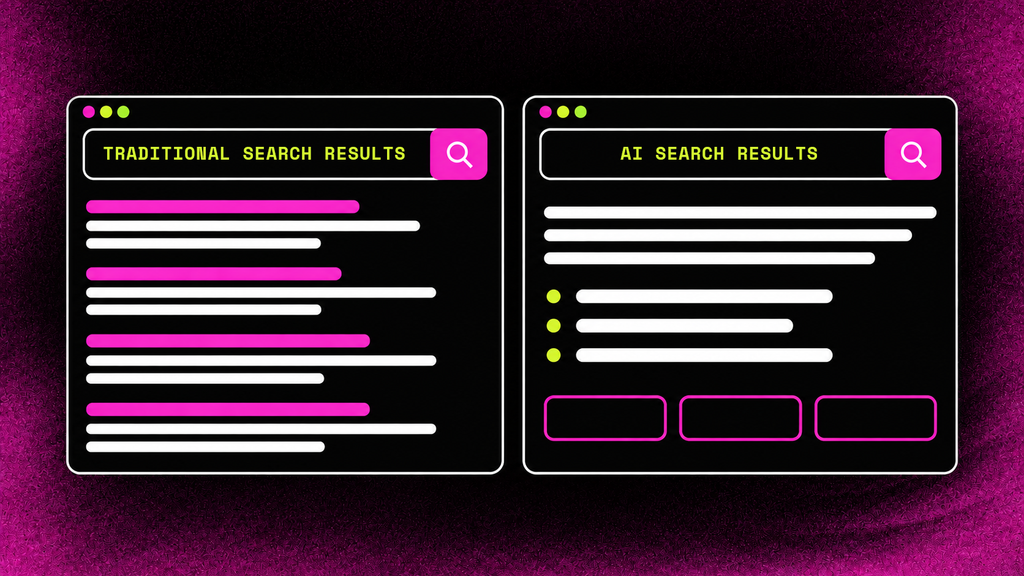
Going back to our museum example, someone might ask: Is it wheelchair accessible, and how much time should we plan to spend here?
Instead of just using keywords, they’re describing a situation and a decision. AEO makes it easier for AI to find, understand, and use information to answer questions like these.
No one can guarantee that an AI tool will recommend a particular organization, but we can increase the chances by improving the quality of information out there and removing obstacles to discoverability.
Machines Need Context, Too
At Mission, we care deeply about how a website looks, feels, and works—the personal experience. Machines encounter sites differently.
A person can look at one of our project pages and understand that we created a campaign for, say, a university. Meanwhile, a machine benefits from explicit information about which organization is the client, what services were provided, and how the project connects to the agency’s expertise.
One way we provide that context is through structured data: code that labels information and describes relationships.
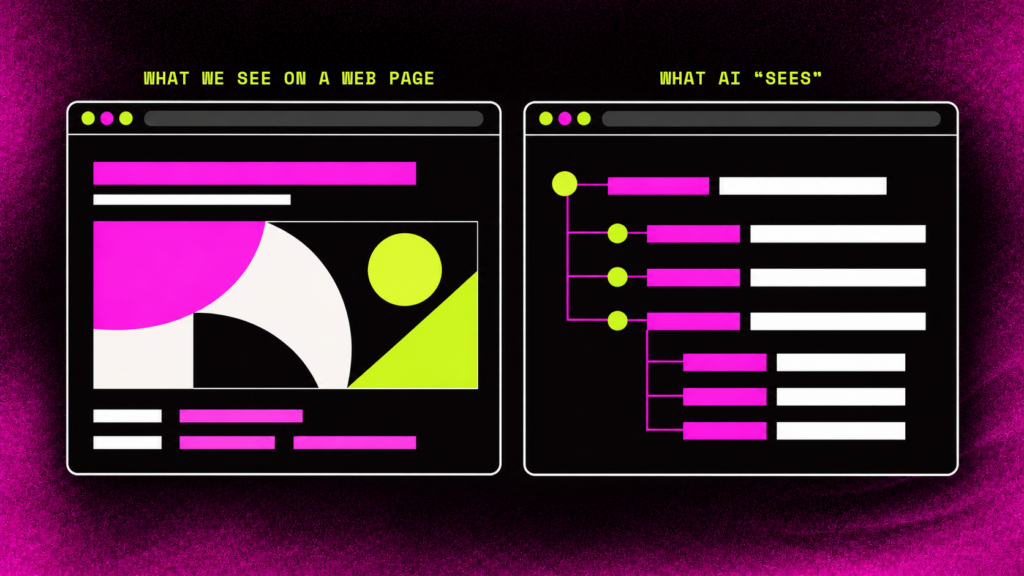
Think of it as the difference between handing someone a box of photographs and handing them an album with captions. The photographs haven’t changed, but the context makes them easier to understand.
On our website, our development team uses structured data to connect information about our agency, services, clients, projects, and team. In practice, a project is linked to the client it was created for and the services involved, giving machines context about the work and our expertise. It gives machines a clearer description of information we already share publicly, and it strengthens the SEO that AEO depends on.
We also publish files such as llms.txt to make site information available to AI tools that use them. But it’s worth noting that adoption varies across platforms and publishing a file doesn’t guarantee citations.
Code Can’t Supply Missing Answers
You can carefully label every page on a website and still leave the most important questions unanswered: Who is this service for? What problem does it solve? What should someone expect? What evidence supports the claims?
For instance, a performance venue might have beautiful photography but leave visitors guessing about accessible seating or age suitability. A healthcare provider might list specialties without explaining how a new patient gets an appointment.
Useful answers come from knowledge that often already exists inside an organization—in conversations with customers, presentations, interviews, or the heads of people who do the work. And part of our job is helping to bring it out. It takes input from clients, strategists, writers, designers, developers, and analysts.
Your Website Is Only Part of the Evidence
An AI answer may draw on several sources. Your website is one source, but reviews, reporting, directories, professional profiles, and other organizations’ websites can also contribute information.
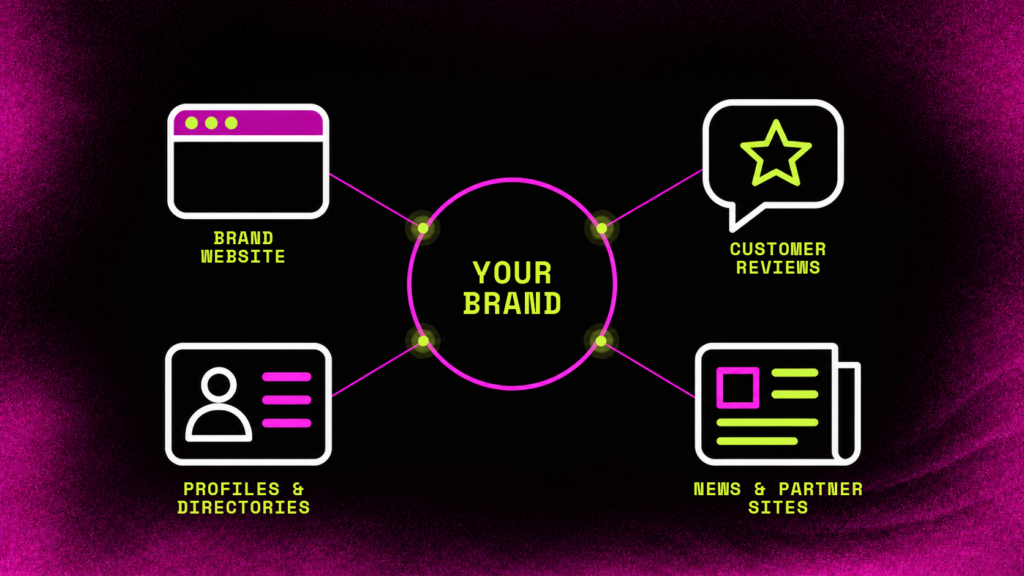
Consistency helps. If your website describes one specialty, an old directory lists another, and your business profile still uses a previous name, you’ve made yourself harder to interpret. Outside evidence matters as well. A claim is more credible when customers, partners, or respected publications can substantiate it.
For marketing and communications teams, a lot of this will sound familiar: clear positioning, useful content, accurate listings, public relations, and a reputation earned through experience. So, while the technical work helps make that evidence accessible, the evidence has to exist in the first place.
Five Things You Can Check Now
To optimize your website for AI, you don’t need to begin with a complete rebuild. Instead, start with a few checks:
- Ask a few AI tools about your organization. Try your name and a question a prospective customer might ask. Note whether you appear, what’s accurate, and what’s missing.
- Compare your public descriptions. Check your name, services, and key facts across your website, directories, and profiles, and correct any outdated or conflicting information.
- Have your web team review crawler access. Confirm that robots.txt and hosting settings aren’t blocking search or AI crawlers you intend to allow.
- Check where important information lives. If a key answer is buried in an image or PDF, give it a clear home in readable webpage text.
- Answer the questions people actually ask. Admissions staff, box-office teams, and patient coordinators can tell you where people repeatedly get stuck.
Measure Visibility, Accuracy & What Happens Next
We watch for a few things: whether an organization appears in relevant answers, whether the description is accurate, and whether referral traffic or inquiries suggest those answers are helping people find it.
Each tells us something different. An appearance can indicate visibility, but answers vary across tools and over time. An accurate description is useful, but it doesn’t prove anyone acted on it. Referral traffic and inquiries get closer to a business result, though someone may encounter an AI answer and later arrive through search, a direct visit, or a phone call.
No single dashboard captures the whole journey. We need to look at these signals together and be honest about what we can attribute.
Clear Answers Start With Clear Communication
What interests us most about AEO is how directly it exposes gaps in communication. If we struggle to explain what an organization does, who it serves, or why someone should trust it, a machine will struggle too.
The existence of AEO pushes us to be more specific about a brand’s story, because you never know where the next customer will arrive from. The tools may be changing, but discoverability still starts with being clear about what you have to offer.